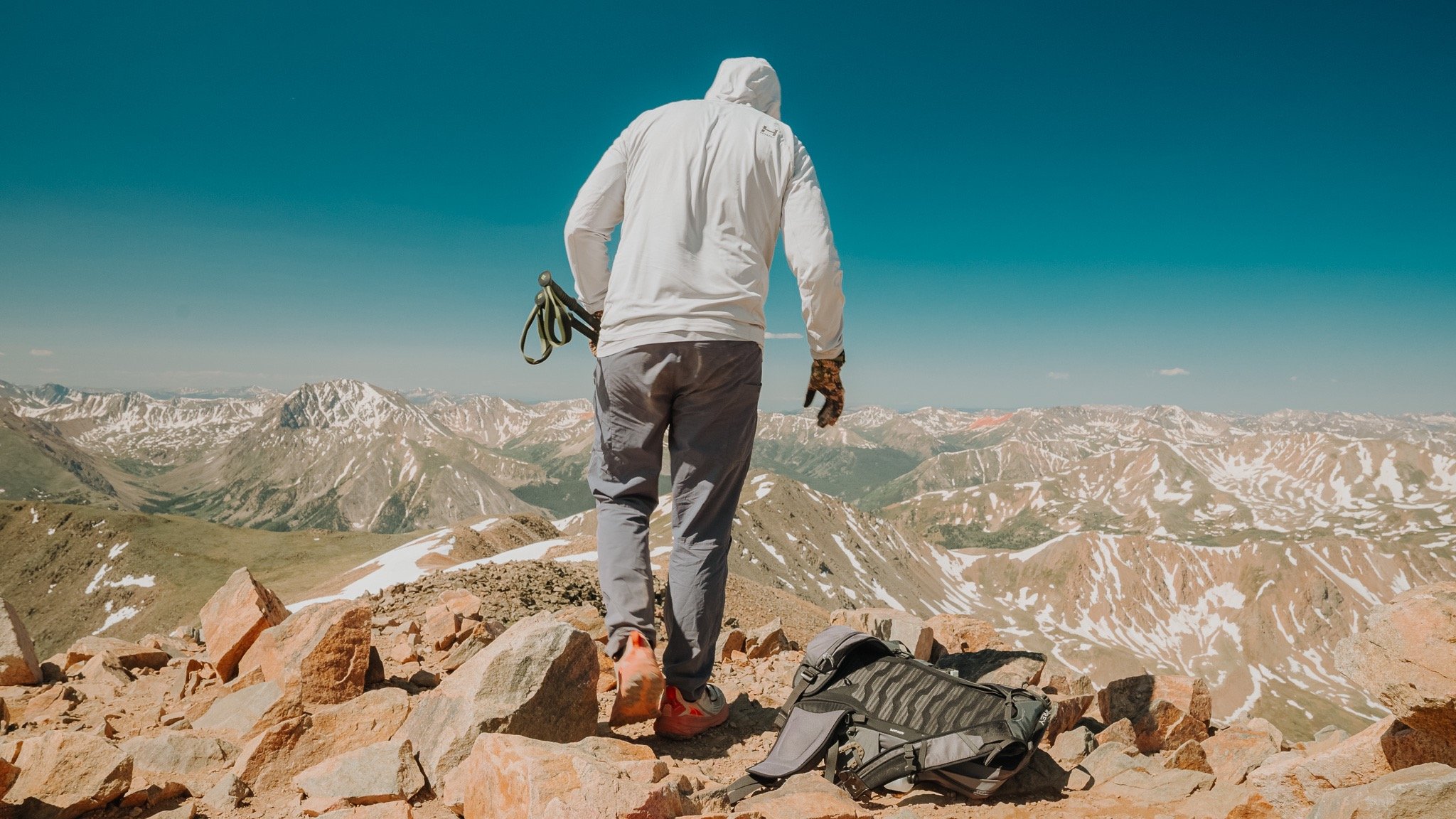
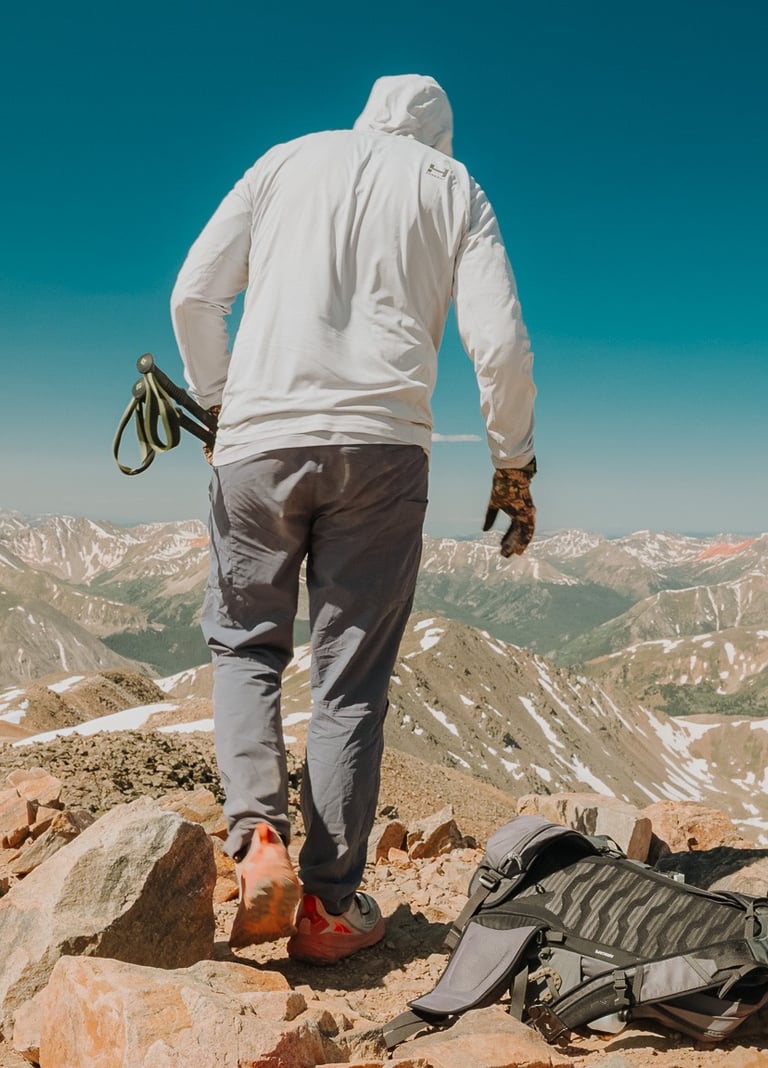
My Hiking & Mountain Footwear Guide
There is no single “perfect” hiking shoe. The right footwear depends on the terrain, weather, mileage, pace, and how much weight I’m carrying. A shoe that feels amazing on dry trail might become sketchy on wet alpine rock. A lightweight trail runner that’s perfect for summer might be miserable once snow shows up. Living and hiking in Colorado means my footwear rotation changes constantly depending on the objective. This is the current lineup I trust most in the mountains and where each one actually fits into my system.
GEAR I USEGEAR
Devin
5/18/20263 min read
Salomon S/Lab Genesis
Best For
Dry trails, fast hiking, trail running, and long alpine mileage.
What I’ve Learned After Using Them
This is one of the most comfortable shoes I own for covering serious distance in the mountains.
The Matryx upper handles abrasion incredibly well, especially on sharp Colorado rock, and the built-in gaiter helps keep trail debris out better than most trail runners.
Where I’ve learned to be careful is on wet alpine rock. On dry dirt and loose terrain they feel incredible, but once smooth talus gets damp, I notice the grip starts to lose confidence compared to some of my other shoes.
That doesn’t make them bad. It just means I choose them carefully depending on conditions.
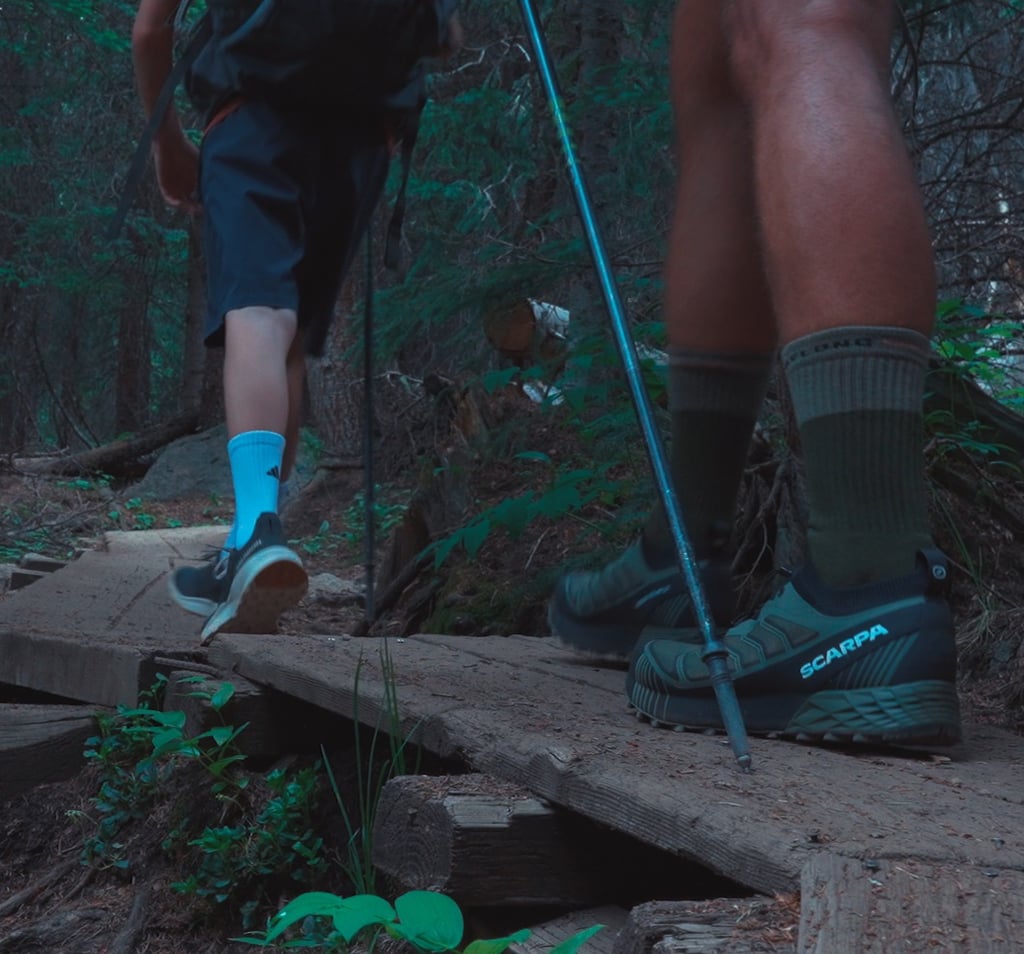
Scarpa Ribelle Run
Best For
14ers, rugged alpine terrain, backpacking, and off-trail travel.
What Makes Them Different
If I’m heading into unpredictable mountain terrain and only bringing one shoe, this is usually what I grab.
The Ribelle Run blends the agility of a trail runner with the protection and stability closer to a lightweight mountain boot. The grip is excellent on loose rock, the rand protects your feet extremely well while scrambling, and they stay stable even carrying heavier backpacking loads.
This is the shoe I trust most when terrain gets chaotic.
Altra Experience Wild
Best For
Recovery days, easier hikes, and comfort-focused mileage.
Why They Stay In My Rotation
After enough mountain miles, your feet feel it.
This is the shoe I tend to reach for when my feet are swollen, beat up, or I just want maximum comfort without completely losing trail performance.
The wider toe box lets your feet spread naturally, which becomes a huge deal during long days or back-to-back hikes. Unlike traditional zero-drop Altras, the Experience Wild adds a little drop, which I personally find easier on my calves during longer efforts.
Salomon
Alpine Way
Best For
Class 3 scrambling, ridgelines, and technical terrain.
Where They Excel
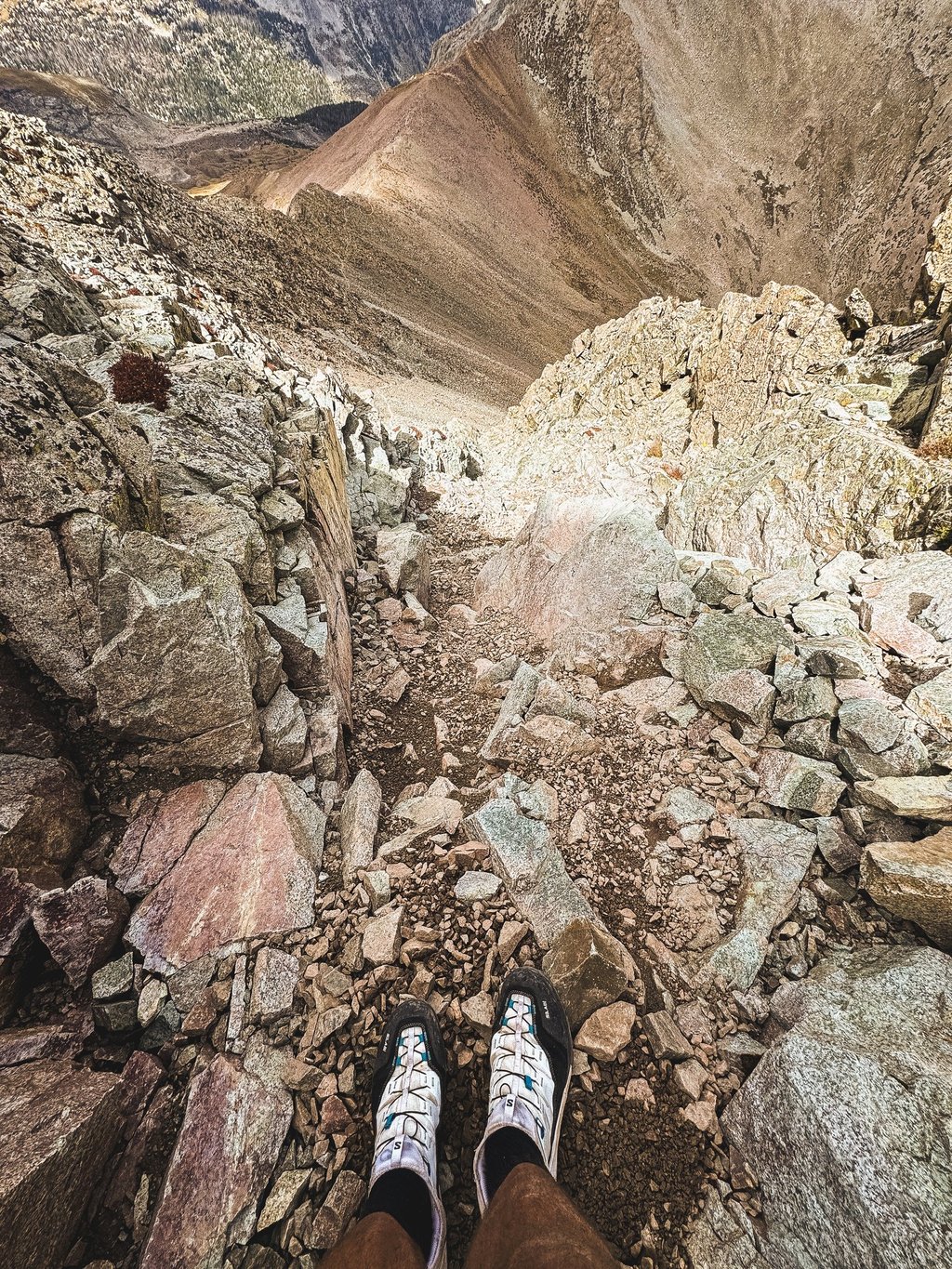
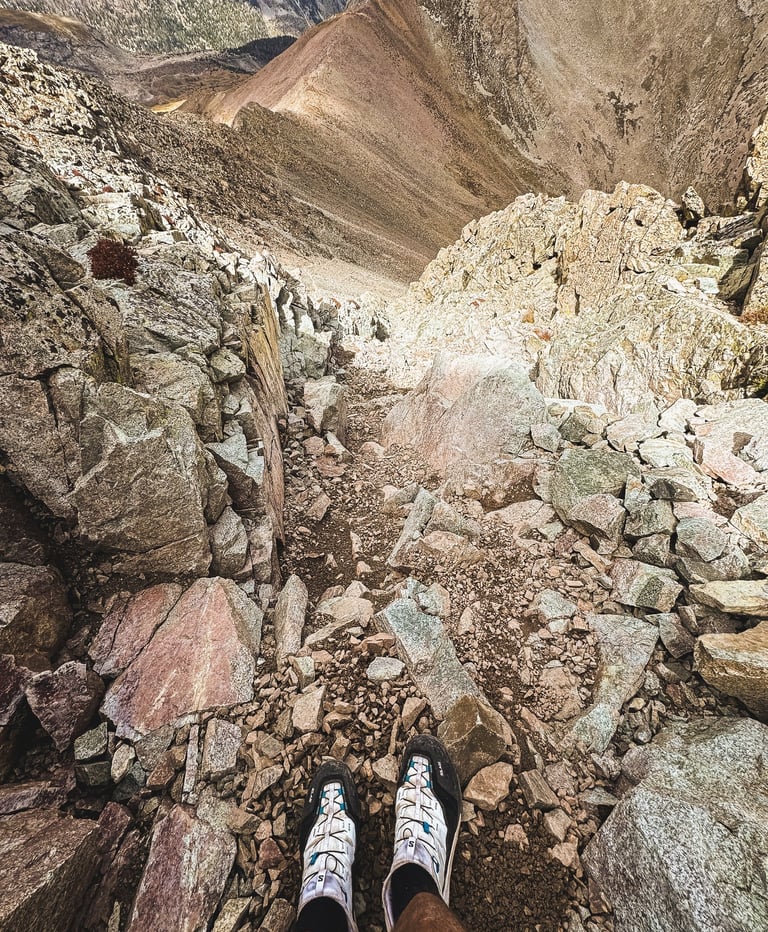
Once hiking turns into climbing and foot placement actually matters, this is where the Alpine Way stands out.
This shoe starts crossing into approach-shoe territory with sticky rubber and a climbing-oriented feel that performs extremely well on steep rock. They feel much more precise than a standard trail runner when scrambling.
These are not my everyday trail shoes. They’re specifically for technical mountain terrain where confidence on rock matters most.
Asolo Fugitive
Best For
Cold mornings, shoulder season hiking, mud, and light snow.
Why I Still Use Traditional Boots
Even though I wear trail runners most of the year, there are still conditions where a traditional boot simply works better.
When temperatures drop, trails get muddy, or snow starts showing up, I still trust the Asolo Fugitive. They provide warmth, structure, ankle support, and protection that lightweight shoes simply can’t match in rough weather.
They’re heavier, but in cold conditions I’ll take reliability over saving a few ounces.
[Embed Asolo Fugitive Review Video Here]
Currently Testing
Salewa Pedroc 2
Currently testing these for fast hiking and high-output mountain days. Early impressions are promising, but I want significantly more miles before giving a full recommendation.
The North Face Fastpacker
Still evaluating these in mixed Colorado terrain to see where they fit into my overall rotation. I’m especially paying attention to long-distance comfort, grip, and durability.
I don’t fully recommend gear until I’ve put real mountain miles on it first.
Once these cross the 100-mile mark, I’ll add full breakdowns and video reviews here.
Final Thoughts
A huge part of mountain safety and enjoyment comes down to wearing the right footwear for the objective.
The shoe that works perfectly for a smooth summer trail may be the wrong choice for wet talus, technical scrambling, or freezing temperatures.
That’s why I rotate footwear instead of trying to force one shoe to do everything.
If you came here from one of my videos, hopefully this gives you a better understanding of when and why I use each shoe in real mountain conditions.